“My Street’s Bin is Overflowing”: How to Formally Report a Waste Collection Issue
Understanding Waste Management in Calabar
Many of us living in Calabar often ask why waste piles up in our streets, especially when we remember how clean our city used to be. Understanding the reasons helps us approach the issue better.
Why Waste Piles Up in Our Streets
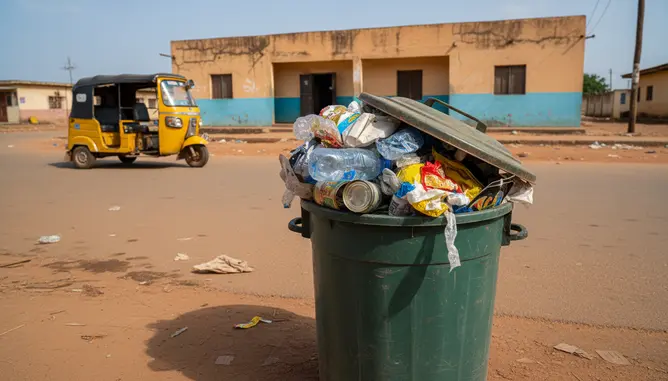
One reason waste builds up is the availability of equipment for collection. We often see that there are not enough working trucks and machinery to cover all the routes, or the ones available break down often. This means bins in places like Goldie Street or around the Calabar Main Market might sit full for days, waiting for a truck to come.
Another part of this is the deployment of personnel for waste management. If there are not enough hands on deck, or if the teams are not consistently sent to all corners of the city, waste just stays put. This can lead to delays in clearing refuse from residential streets in areas like Calabar South or Parliamentary Extension.
Collection frequency in neighbourhoods also plays a part. What was once a regular, predictable collection schedule in areas like State Housing might now be less consistent. If trucks do not come as often as they should, bins quickly overflow, and waste starts to accumulate on the roadsides.
Community participation in proper waste disposal also matters. While many residents try their best, if public bins are full, some people might drop their waste beside them or in unauthorized spots. This makes the problem worse and adds to the general untidiness we see.
Who Handles Waste in Calabar
The main body in charge of keeping Calabar clean is the Cross River State Waste Management Agency (CRSWMA). They are still the primary agency responsible for overseeing waste collection and management across the city. There have not been changes that shift this overall responsibility from them.
While the CRSWMA sets the rules and manages the larger framework, they often work with private contractors or the local government councils, such as those in Calabar Municipal and Calabar South, to handle the actual day-to-day collection in different neighbourhoods.
If you want to confirm the specific agency or contractor responsible for your immediate area, the best thing to do is contact the CRSWMA office directly. They can provide details on which team is assigned to your street or local government area. Your local ward councilor or the secretariat for your local government area might also have this information.### Reporting Waste Issues: Your Guide
Knowing the right way to report waste issues helps get them addressed. Here is a guide on how to make your voice heard.
How to Report Uncollected Waste
If you see an overflowing public bin or uncollected waste on a residential street, follow these steps:
- Document the Scene: Take clear photos or a short video. Make sure the pictures show the exact location, perhaps with a recognizable landmark nearby, like a specific shop on Marian Road or a street sign in Calabar South. Note the date and time you observed the waste.
- Gather Contact Information:
- Contact Numbers: Residents should seek the current official contact numbers for the Cross River State Waste Management Agency (CRSWMA). These numbers are usually announced by the state government or can be found at the CRSWMA office.
- Email Addresses: Similarly, look for official CRSWMA email addresses for submitting complaints.
- Physical Offices: You can visit the CRSWMA office, which is typically located around the state secretariat complex. Local government secretariats for Calabar Municipal and Calabar South also serve as points of contact for local issues.
The Green Sheriff’s Role in Waste Management
The Green Sheriff task force (sometimes called the ‘Green Police’) has been part of Calabar’s environmental efforts. Their role typically involves monitoring compliance with environmental sanitation laws, enforcing proper waste disposal practices, and responding to reports of environmental infractions. While their visibility and operational scope have varied over time, they are generally meant to act as an enforcement arm, working alongside the CRSWMA to address reported waste management issues and ensure public spaces remain clean. Residents can inquire about their current operational status and contact details through the CRSWMA or the Ministry of Environment.
Reporting Damaged Public Bins
If you come across a public waste bin that is non-working or broken, the procedure for reporting it is similar to reporting uncollected waste:
- Document the Damage: Take clear photos of the damaged bin, showing the extent of the breakage and its location.
- Note the Location: Provide the exact street address or a clear description of where the damaged bin is, for example, “Damaged public bin near the Watt Market roundabout.”
- Submit Your Report: Use the contact numbers, email addresses, or physical offices of the CRSWMA or your local government council. Clearly state that you are reporting a damaged public bin.
Knowing Collection Schedules
Getting clarity on when waste collectors come to your street helps you manage your household waste better. The best way to learn about waste collection times for your specific area is to contact the Cross River State Waste Management Agency (CRSWMA) directly. They manage the overall collection schedules for Calabar. You can also inquire at your local government council secretariat or through your community development association, as they often have this information for their respective areas, such as residents in Ekorinim or Satellite Town.
Information to Provide for Your Report
To ensure your complaint is processed effectively, include the following details:
- Your Name and Contact Details: This allows for follow-up if more information is needed or to confirm that the issue has been resolved.
- Precise Location: Give the street name, house number (if applicable), and any nearby landmarks. For example, “Overflowing bin on Mayne Avenue, opposite the old cinema building.”
- Nature of the Problem: Clearly state whether it is an overflowing public bin, general uncollected waste on the street, or a damaged bin.
- Date and Time of Observation: This helps the authorities understand how long the issue has been present.
- Photographs or Videos: These are very helpful for verifying the complaint and showing the situation clearly.### After Reporting: What Happens Next?
Once you have taken the step to report a waste issue, it’s natural to wonder what happens next and how you can ensure your complaint leads to action.
Response and Follow-Up
While the Cross River State Waste Management Agency (CRSWMA) does not always publicly state a fixed time frame for every complaint, residents often hope for issues to be addressed within a few days to a week. This is especially true for urgent matters like overflowing bins that pose immediate health concerns, for example, a bin spilling onto the walkway near the Calabar Main Market.
Currently, a widely accessible public tracking system or automated reference number for waste complaints is not typically provided. When you report an issue, it helps to ask for the name of the person you spoke with or a simple reference if they offer one. This gives you something to refer back to if you need to follow up on your complaint. Keeping a personal record of when you reported, to whom, and what the issue was, is always a good practice. If you do not see action within a reasonable time, use your recorded details to call back and remind them of your report.
Holding Agencies Accountable
Maintaining a clean Calabar means that waste management contractors and personnel need to be accountable for their work. Contracts with waste collection companies usually include clauses about performance and penalties for failing to meet collection schedules. The CRSWMA oversees these contracts and is responsible for making sure these companies deliver on their promises. If issues persist, the agency can impose fines or even terminate agreements with underperforming contractors. This helps maintain a standard of service across areas like Parliamentary Extension and Calabar South.
Accountability is maintained through the CRSWMA’s oversight of these contracts and their direct management of state-employed sanitation staff. Regular checks and public feedback help them assess performance.
When Official Channels Don’t Yield Results
If your complaints through the CRSWMA or local council do not get addressed, and the waste issue persists, there isn’t a widely known, independent ombudsman specifically for waste management issues in Calabar. However, residents can consider escalating their concerns. You might approach the State Ministry of Environment, as they are the parent ministry to the CRSWMA. Another option is to contact your elected local government representatives, such as your ward councilor or the chairman of your local government area. These officials have a mandate to address public concerns and can exert pressure on the relevant agencies to act.### Broader Waste Management Concerns and Community Action
Beyond reporting individual overflowing bins, understanding the larger picture of waste management in Calabar helps us all work towards a cleaner city.
Addressing Worker Welfare
Reports of delayed or unpaid salaries for waste collectors have surfaced at different times. When the people who work hard to keep our city clean face payment issues, it naturally impacts their morale and the consistency of their work. This can lead to disruptions in service, leaving waste uncollected in areas like Goldie Street or Mayne Avenue. The state government, through the Cross River State Waste Management Agency (CRSWMA), needs to address these concerns to maintain consistent collection services. Ensuring timely payment helps motivate the workforce and prevents collection boycotts.
The Lemna Landfill’s Future
The Lemna central landfill has served Calabar for many years as the primary waste disposal site. With reports suggesting it is nearing its maximum capacity, the state government faces the challenge of identifying and developing alternative sites or exploring other waste disposal methods. Long-term strategy for the landfill often involves exploring new waste disposal technologies or expanding existing facilities. This is a significant undertaking that requires careful planning and resources to ensure a lasting solution for Calabar’s waste.
Community Waste Programs
Moving towards sustainable waste practices means looking at how we handle waste before it even reaches the landfill. Plans for community-level recycling initiatives or waste segregation programs are steps in this direction. While widespread programs are not yet fully established across Calabar, there have been discussions and pilot projects in certain areas. The government aims to encourage residents to separate their waste at home, perhaps starting with plastics and organic waste, to reduce the volume going to landfills. Imagine if every household in places like State Housing or Parliamentary Village began separating their waste; the impact would be significant.
Funds and Oversight
Ensuring that funds allocated for waste management are used properly and accounted for helps build public trust. The state government typically has oversight mechanisms within the Ministry of Environment and the CRSWMA to monitor expenditures. Regular audits and transparent reporting of how funds are disbursed for equipment, salaries, and operational costs help assure residents that resources are being put to good use for a cleaner Calabar.
Community Groups in Action
Community Development Associations (CDAs) and Neighbourhood Watch groups play a helpful role. These groups, found in areas like Ekorinim or Parliamentary Extension, can organize community clean-ups, educate their members on proper waste disposal, and act as a collective voice to the Cross River State Waste Management Agency (CRSWMA) for better services in their specific areas. They can help coordinate efforts and advocate for their neighbourhoods.
Health and Waste
When waste piles up in areas like Bogobiri, Calabar South markets, or even residential streets in Calabar Municipal, it creates breeding grounds for pests. Mosquitoes, flies, and rats thrive in these conditions, and they carry diseases. We see increased risks of malaria, typhoid, and cholera, especially during the rainy season when stagnant water mixes with refuse. The foul smell from decomposing waste also affects air quality, making breathing uncomfortable for those living nearby.
To keep ourselves and our families safe, residents can take some steps. Keep your surroundings clean, even if the public bins are overflowing. Sweep your immediate area. Make sure your food is covered and stored properly to keep flies and rodents away. Use mosquito nets, especially for children. Wash your hands often, particularly before eating. If you live near a heavily affected area, consider keeping windows closed during peak times of the day to reduce exposure to smells and pests.
Learning Proper Disposal
Educating everyone about proper waste disposal helps keep our city clean. While formal, ongoing campaigns are not always visible, the message of “Keep Calabar Clean” has been part of our city’s identity for years. We need more efforts to remind residents about putting waste in designated bins, not littering, and understanding collection schedules. This could involve public service announcements on local radio stations, posters in markets, or community meetings in places like Satellite Town. These efforts help everyone understand their part in maintaining a clean environment.
Resident Contributions to a Clean Environment
Residents contribute significantly to keeping our environment clean, even beyond reporting issues. Simply making sure you do not litter, using public bins correctly, and sweeping the area directly in front of your home or shop makes a difference. Many communities organize local clean-up exercises, especially on environmental sanitation days.
The state government can support these resident-led cleanliness initiatives by providing tools like rakes, shovels, and waste bags for community clean-ups. They can also offer guidance on proper waste segregation and disposal methods. Recognizing and working with these community groups helps foster a shared sense of responsibility for Calabar’s cleanliness.
Government’s Commitment to Cleanliness
The Cross River State government has often reiterated its commitment to restoring Calabar’s reputation as a clean city. We hear assurances that efforts are underway to improve waste collection and management. These commitments often speak to the importance of a healthy environment for residents and for the city’s appeal to visitors. The government aims to ensure the Cross River State Waste Management Agency (CRSWMA) has the resources needed to carry out its duties effectively, bringing back the consistent waste collection we once knew across all areas, from the bustling markets of Calabar South to the quieter streets of State Housing.