
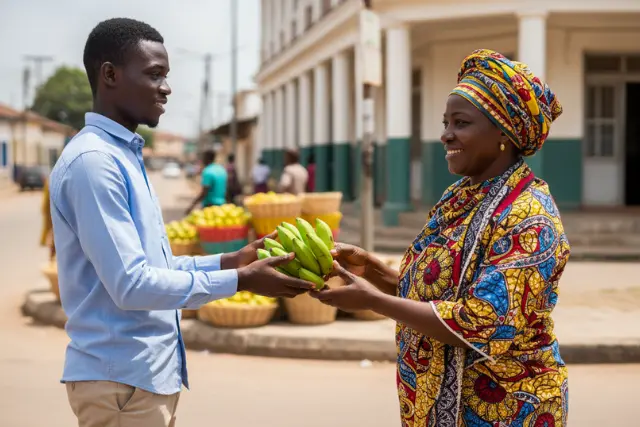
Marian Market, in full colour
Marian Market is one of those places where Calabar shows itself without posing. The colours are not decoration. They are work tools, identity, and street sense, all happening at once. Bright wrappers folded on a table, red palm oil in recycled bottles, green scent leaves tied in knots, smoked fish stacked like tiles, and the loud hand-painted signboards that tell you who sells what.
This photo essay is built for sharing. Each “frame” below is a suggested photograph with a caption direction. If you are shooting it yourself, treat it as a checklist. If you are reading, use it as a walk-through of what a real market day looks like in Marian.
Before you shoot: simple rules that keep you welcome
- Ask before close portraits. A smile and “Aunty/Uncle, I fit snap you?” goes far. If they say no, move on.
- Don’t photograph cash counting, disputes, or people eating. Those scenes create suspicion fast.
- Offer to share the photo. Many traders will agree if you promise to send it on WhatsApp.
- Mind children and religious items. If a stall has prayer materials, herbs for spiritual work, or family photos, ask twice or avoid.
- Keep your kit light. One camera or phone, one lens, no big setup. In crowded corridors, small is safer.
When the market looks its best (and why)
Marian Market changes by the hour. If you want variety, plan your shoot like a story, not like random pictures.
| Time | What you will see | Best photo opportunities |
| 6:30am–8:30am | Traders arriving, sweeping, arranging goods, first buyers | Soft light, clean lines, calm portraits, hands-at-work details |
| 9:00am–12:00pm | Full trading rhythm, bargaining, restocking, shouting prices | Energy, layered scenes, mid-shots of buyer-seller interaction |
| 12:00pm–2:30pm | Heat, umbrellas up, people taking quick food breaks | Strong colour blocks, shade patterns, overhead stall textures |
| 3:00pm–5:30pm | Last rush, price drops on perishables, packing up | Golden light pockets, tired smiles, closing rituals, emptying tables |
Calabar weather: what humidity and rain do to your photos
Calabar’s humidity brings shine. It makes tomatoes look glossy and skin highlights stronger. It also fogs lenses and phone cameras when you move from AC to outside. Give your camera a minute to adjust.
Rain can start suddenly. When it does, the market becomes a different set, nylon sheets pulled low, water running in channels, people huddling close. If you can shoot rain respectfully, you get real atmosphere, but protect your gear. During harmattan periods, the light is flatter, colours mute slightly, and dust sits on goods. That “soft” look can work well for portraits.
Frames to capture: colours first, then faces
Use these frames in order, like a sequence. Wide, then tighter, then human.
Frame 1: The entrance and the first hit of colour
What to shoot: A wide establishing photo at the entrance or the busiest approach road, showing signboards, umbrellas, wheelbarrows, and the flow of people.
Caption idea: “Morning opens in Marian Market, where colour is the first language.”
Frame 2: Umbrellas, tarpaulins, and the market ceiling
What to shoot: Look up and shoot the patchwork of umbrellas and tarpaulins. This is where Marian’s palette is loudest.
Tip: Wait for a person to step into the bottom of the frame so it doesn’t feel like a ceiling photo only.
Frame 3: Fabric corridor, where style is also business
What to shoot: A corridor of textiles, ready-made wear, head ties, and tailoring points. Focus on colour repetition, folded piles, and the hands measuring cloth.
Local insight: Markets in Calabar pull people from many groups and towns, and you can often spot identity through fabric choices, headgear, and jewellery rather than loud labels. Let the clothing speak, don’t force it.
Frame 4: Spices and seasonings, the brown-gold-red spectrum
What to shoot: Close-ups of peppers, crayfish, ogiri, dried prawns, uziza, and other seasonings in bowls, plus the seller’s scoop mid-air.
How to show texture: Shoot tight, use side light, and include one familiar object, like a spoon or a hand, for scale.
Frame 5: Palm oil and grains, the calm side of the market
What to shoot: Rows of bottles of palm oil, basins of rice, beans, garri, and corn. Keep lines straight. This frame is about order inside chaos.
Frame 6: Fish, smoke, and steel trays
What to shoot: Smoked fish stacks, dry fish laid on trays, and the seller fanning smoke away. If fresh fish is present, capture the wet shine and crushed ice texture.
Sensitivity: Some sellers don’t like close shots of their fish, especially if they believe it affects sales. Ask first.
Frame 7: The bargaining moment (without turning it into drama)
What to shoot: Hands, not faces, while bargaining. A buyer pointing, the seller’s open palm, money held back slightly.
Why it works: You show the culture of negotiation without embarrassing anyone.
Frame 8: Portraits that feel earned
What to shoot: After you buy something small, ask for a portrait. Stand where the stall background tells the story, fish behind fish seller, fabric behind fabric seller.
Caption idea: “A face behind the colour, and a business that feeds a household.”
Quick guide: what dominates Marian’s textures
| Material/food | What it looks like on camera | Best angle |
| Spices and dried foods | Grainy, matte, lots of micro detail | Side light, very close, include a scoop |
| Fabrics and head ties | Bold patterns, high contrast | Flat lay or straight-on stacks |
| Palm oil | Deep orange-red glow | Back light through the bottle |
| Smoked fish | Glossy dark browns, smoke haze | Three-quarter angle, include hands |
| Garri and fufu staples | Soft grains, pale yellows, whites | Top-down with bowls and measures |
Where to look for Calabar’s cultural blend inside the market
Marian is not one single “culture lane” with a sign. You read the mix through products, language, and small details. Listen for greetings, watch who is buying what, and notice what gets stocked for weekend cooking.
- Cook-and-carry staples: garri, fufu staples, seasonings, smoked fish, vegetables. These spaces show the everyday Calabar kitchen.
- Fashion and accessories: head ties, beads, hair extensions, sandals, ready-to-wear. This is where you catch style choices that move across groups.
- Household goods: buckets, plasticware, mats, brooms. The colour here is often loud and repetitive, great for pattern shots.
If you want a wider sense of how markets sit inside Calabar’s bigger story, Watt Market is the city’s oldest and largest trading hub, established in 1901. It helps to understand the scale of Calabar’s market culture, even when your focus is Marian Market. See a quick background here: Watt Market (Urua Awat).
Midday shift: when the crowd thickens
By late morning, the market is louder. People stop walking like they are going somewhere, they start moving like they are negotiating space. This is when you should switch from clean, composed shots to layered scenes that show density, but still keep one clear subject in each frame.
Frame 9: Vegetable greens, the real “Calabar green”
What to shoot: A tight frame of scent leaf, waterleaf, ugu, okra, garden eggs, and peppers, still wet from rinsing. Include the seller’s hands tying a bundle or separating leaves.
How to make it feel tactile: Get close enough to show water droplets and leaf veins. Keep your background simple so the greens carry the image.
Frame 10: Ingredients that define the Calabar pot
What to shoot: A mini series of close-ups: crayfish, dried pepper, ogiri, periwinkle (if available), palm oil, and smoked fish. These items speak loudly to the kitchen culture here.
Don’t crowd the frame: One or two ingredients per photo. Let each one breathe. The viewer should almost “smell” it from the screen.
Frame 11: Pottery, basins, and the shine of everyday tools
What to shoot: Stacked aluminium pots, plastic basins, brooms, woven baskets, mortar and pestle, and the rope handles on big buckets. Go for repetition, then break it with one person passing through.
Caption idea: “Tools for homes, restaurants, and street cooks, all in one lane.”
Frame 12: The “small small” economy, recharge cards and quick fixes
What to shoot: A small table selling phone accessories, recharge cards, torchlights, padlocks, needles and thread, hair pins, and batteries. Take one clean shot of the display, then one portrait if the seller agrees.
Why it belongs in the essay: Marian Market is not only foodstuff. This is where people solve problems fast, with low capital and daily turnover.
Frame 13: Corners people whisper about, herbs and ceremonial items (with care)
What to shoot: Dried leaves, roots, bitters, beads, wrappers, and packaged items for family events and church functions. If a seller is comfortable, let them arrange the items first, then shoot.
- Do not make health claims. If you don’t know what it does, don’t guess.
- Ask before you point a camera. Some stalls are family-owned and privacy is serious.
- Use respectful captions. Describe what you can see, not what you assume.
Frame 14: Faces in context, not as background props
What to shoot: Portraits that include the stall and the work. A fish seller with trays, a fabric seller holding tape measure, a spice seller with scoop. Take two versions, one smiling, one neutral, both are real.
Balance tip: If you take one tight headshot, also take one wider portrait that shows the environment. It keeps the person from feeling like “content”, and keeps the market from feeling like a blur of bodies.
How vendors structure the day (what to watch for)
Most traders start early. Fresh items need sorting, washing, and arranging before the first serious buyers arrive. Mid-morning is peak bargaining. Afternoon brings heat, small breaks, and quick meals. Late day is packing, last prices, and phone calls to suppliers for the next morning.
Three moments usually produce your strongest storytelling photos:
- Set-up: neat piles and clean lines before the crowd scatters everything.
- Decision: the pause before a purchase, touching fabric, pressing tomatoes, testing weight in the hand.
- Close: tying sacks, folding nylon, sweeping, counting stock, locking stalls.
Local practices that add story without sensationalising anyone
- Bargaining: shoot hands and body language, not mockery. Avoid “cheap cheap” captions.
- Greetings: older traders often greet properly before business. If you catch that warmth, it will carry your essay.
- “Add small thing” culture: a seller slipping an extra pepper or onion into a bag. That small gesture is part of why customers return.
Resilience and entrepreneurship, beyond the bright colours
Behind every stall is logistics. Early deliveries, record books, assistants, price checks, and relationships with wholesalers. Photograph the systems too, the notebook, the scale, the tied bundles ready for customers, the padlocks at closing time.
Marian Market has also faced tough moments, including market fires that wipe out stock and savings overnight. If you include that reality, keep it factual and dignified. One report you can reference is this CrossRiverWatch story: Millions gone as fire raze down shops at Marian Market, Calabar.
Gender roles, shown as work, not as stereotypes
You will likely see many women leading stalls, managing money, directing helpers, and making supply calls. You will also see men handling heavy lifting, deliveries, and some wholesale lines. Don’t force a story, just show the reality carefully.
- Include leadership: a trader setting prices, settling orders, or instructing assistants.
- Include labour: loading, pushing wheelbarrows, tying sacks, carrying basins.
- Avoid private moments: disputes, debt talk, and any scene that can embarrass someone later.
Connecting Marian Market to Calabar’s sense of place
Markets are part of how Calabar remembers itself. If your audience is visitors, add one or two “place anchors” in your captions, so people understand Marian as part of the wider city, not a random market.
- Old Calabar heritage: If you’re also visiting museums and historic sites, Marian is the living, everyday side of that story. The city’s history still sits in its trade and food culture.
- Festival season energy: During Carnival periods, the city gets louder and busier, and markets reflect that in demand for fabrics, accessories, and food items. For broader context on the city’s major cultural event, see Calabar Carnival.
Publishing checklist: captions, consent, and formats that share well
| What to prepare | What to do |
| Captions | Name the product or action. Keep it simple. Don’t guess someone’s tribe, religion, or personal story. |
| Consent | For clear faces, ask first. If they agree, show them the photo. Offer to send it on WhatsApp. |
| Sequence | Start wide, go close, then return to a wide “exit” shot. It reads like a walk-through. |
| Alt text | Write short, descriptive alt text for each image for accessibility and search. |
| Social cut | For Instagram, 8 to 12 images work well. Put the strongest face or strongest colour as the first slide. |
Final frames: leaving Marian Market with respect
Close your essay with a simple exit sequence: one last busy corridor, one pack-up scene, and one calm portrait with permission. Then point people to practical next steps.
- Support local traders by buying small when you can.
- Don’t block walkways while shooting.
- If you promised to send a photo, send it. People remember, and it builds trust.
If you want the practical details, how to get there, what first-timers should buy, and how to move around comfortably, open our main Marian Market guide on MyCalabar and keep it saved. We’ll keep documenting Calabar in a way that protects people’s dignity and still shows the city as it really is.